
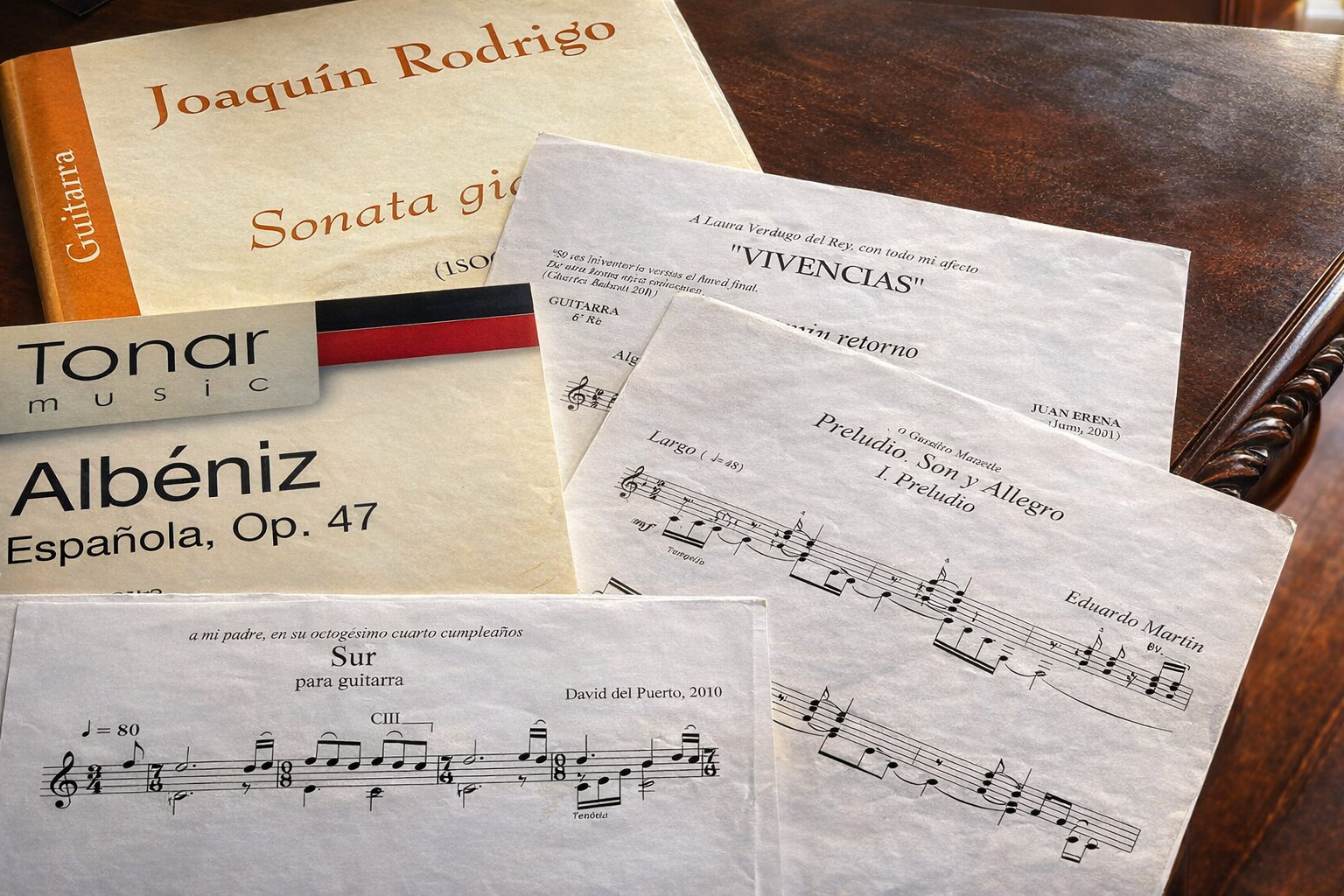
Deciding what repertoire to play on classical guitar is a crucial decision in a guitarist’s career. At first, my decision seemed uncertain, but later it led me to take part in an International Guitar Festival and to be selected for the Ibermúsica 2024 programme.
The issue revolves around the following: works by deceased composers tend to be more widely recognised by audiences, while working with living musicians offers a very broad range of possibilities. In addition, there are different ways to approach the process, and it is directly related to the professional experiences you accumulate over time.
Pre-20th-century music or contemporary music?
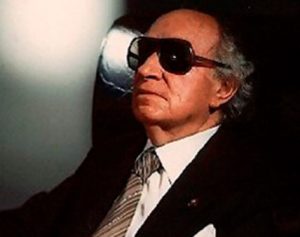
Joaquín Rodrigo (Sagunto, 1901 – Madrid, 1999)
During your student years, it’s common to put together and shape concert programmes that include music by the best-known composers—which, in classical music instruments, usually means they have already passed away. In fact, it’s common to come across works by Joaquín Rodrigo or Johann Sebastian Bach in a guitar concert, regardless of the performer’s stage of life. Whether the repertoire is contemporary music or includes pieces from other periods, it is usually some time since the creator’s death; this is common across many instruments because programmes consolidate works from the past.
How many times has it been published in the media, and how often have we heard complaints about the repetition of pieces that are played over and over again in concert halls? Countless.
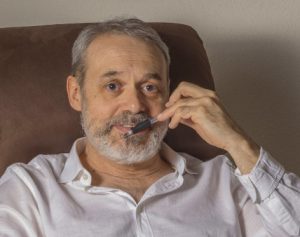
David del Puerto (Madrid, 1964)
But this is something you start to notice with age and by attending concerts. That’s why, when you reach the professional stage, as a performer, you have to decide what repertoire to play on classical guitar. In my case, the balance tipped towards new creation—towards selecting works in which I could take responsibility and, in doing so, commit to expanding and renewing the guitar repertoire.
It was a considered decision, and today I’m completely convinced it was the right one. And once I made it, I began looking for the right people to match my musical preferences and professional goals: the path has led me to remarkable composers, including David del Puerto and Juan Erena, and to experiences that marked a turning point in my musical career, such as being part of the Ibermúsica music programme in 2024.
In this way, what initially seemed risky has become a value that sets me apart and positions me as a renewer. I believe that programming and recording new works has a double interest: documentary and historical.
On the other hand, working alongside the “creative mind” behind a work is a wonderful experience: the performer asks, while the composer advises. And in this, the internet and technology have made the process easier, because you can collaborate with people who are many kilometres away: video calls and audio messages. The possibilities are endless. My project Brisas, preludes and tientos for guitar includes a work by David del Puerto, and it took three years from the moment the idea emerged until the CD was recorded. Throughout that time, David and I had long conversations, in person and online, and I also sent him some recordings of my practice, asking for his guidance on how to play certain bars.


0 Comments